Pages

Sunday, June 5, 2011

Rebecca & Dr. David Sanger's Public Lecture!

Last night was the long awaited talk! For the last few weeks Rebecca and Dr. David Sanger of the University of Maine prepped a joint presentation on the prehistory, paleoenvironment, and geoarchaeology of the Penobscot River Valley in central Maine.

Step 1 was the transformation of our humble Hirundo shelter into a presentation hall. After some cleaning, rearranging, and spit-shining we were able to muster enough room to hold about 30 spectators. The trash can holding the rotting moose hide was too heavy to lift (moose skin weighs a lot!), so we left it in the parking lot and hoped it wouldn't frighten prospective attendees.

Step 2 was coaxing the generator to pump out enough juice to power lights, heat, computers, and a digital projector. This, fortunately, was a piece of cake.

Once the crowds arrived, the main event and speakers were introduced by Hirundo board member Stephanie Larouche.

The talk itself was broken up into two portions: Paleoenvironmental & Geoarchaeological studies of the area (Rebecca), and the Hirundo Site excavations & prehistoric cultures (Dr. Sanger). Both talks complimented each other as both the local environment and its people have been quite dynamic since the first human occupations around 10,000 years BP (Before Present....or technically before 1950)


The presentations of last night put into perspective the survey work we have been doing the past few weeks. It also provided a more scientific explanation, as opposed to our rants and raves, as to why conducting archaeology in central Maine is so incredibly difficult. Rebecca noted that around the beginning of the Holocene (10,000ish years ago) the retreat of a continental glacier basically demolished the landscape of Maine. The glacial retreat not only left an incredible amount of debris, but also physically impacted the environment in the form of glacial depressions and the resulting crustal rebound. The combination of those geological processes formed a continuously waxing and waning marine environment that ultimately formed the marshes and bogs of modern day.

Just as this impacts our work today, the ever changing landscape drastically influenced the subsistence and living patterns of prehistoric communities. The altering environment stipulated the availability of food sources as well as hospitable living areas.


After Rebecca discussed the changes in the physical environment, Dr. David Sanger focused on the prehistoric occupation, and modern excavation, of a specific site. The Hirundo site, located on the Hirundo refuge was first occupied around 7500 BP and excavated in the 1970's by the University of Maine. Sanger provided a great tutorial on how the site was excavated as well as the light it shed on the prehistory of the Penobscot valley. After the show he provided a show and tell of many artifacts from the site, how they were used by prehistoric people, and what they tell archaeologists. Overall the talk was absolutely fantastic and will hopefully be the first of many to come!

Thursday, June 2, 2011

Survey!: Terrestrial and Aquatic Approaches


Our mission to discover more sites on Hirundo began at the University. While Matt was photographing some artifacts to use in our upcoming Hirundo archaeology webpage, I went off into the slide archive room to do a survey of the past..excavations (See our previous blog post "The First Excavations: A Photo-history" for some of the slides). I collected some useful slides of artifacts, the excavations and some neat graphic slides to incorporate into my talk on Saturday (yes, another shameless publicity plug!)


After a long day at the University working on this stuff, we were pretty ready to head into the field. Wait, field is the wrong word. Forest? Not forest. Jungle. Maine Jungle. We went out, exploring off and on the trails with particular interest in several rock piles and mounds that Fred Bryant, Hirundo's caretaker has noticed while going about the grounds.

Through the intensely thick ground cover, it was proving quite difficult to find anything. So we headed to the coast. The river coast is usually better, as the river flow erodes the shoreline exposing buried material. We trekked up and down the riverbank as best we could, considering the muddy May weather. 
Matt searching for flakes
Another day of searching the riverbank area, and we managed to identify a handful of flakes, most of them on the bank right next to the original Hirundo site.


Rebecca working on her powerpoint presentation
Tuesday we decided to take a different approach.  Survey by Paddleboat!! No, we didn't actually use it to survey. But, we enjoyed the morning paddling around Lac d'Or, the man-made lake just outside the shelter.


Our paddleboat excursion inspired us! Survey the property by water. The Hirundo Refuge extends way down Pushaw Stream to the Lake and includes many unexplored river banks. Since this Maine Jungle is SO thick, and much of our land-access to the rivers edge is blocked by thick bog and marshland, the only feasible way is to go by boat! 

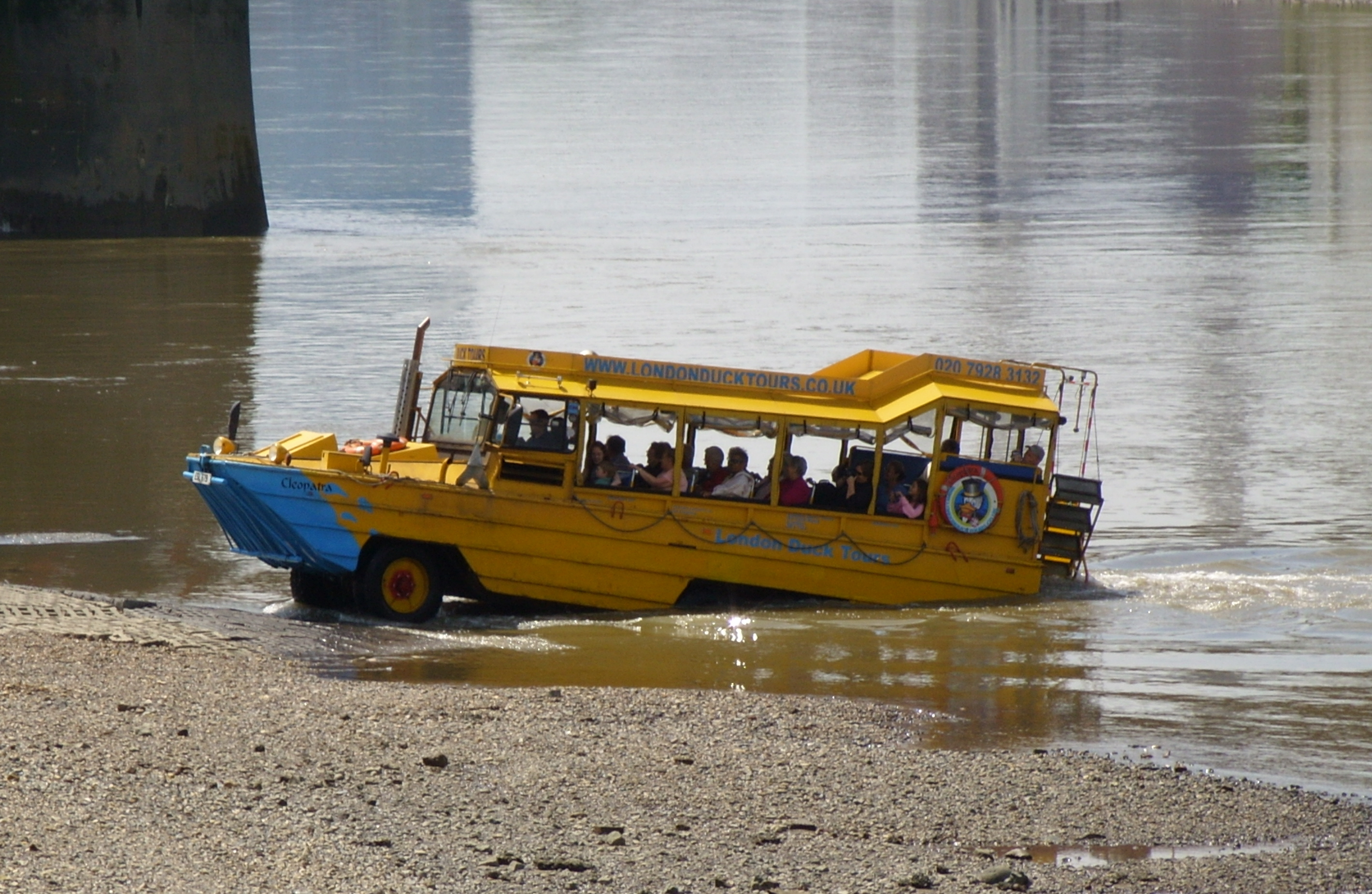
Considering the terrain we're dealing with, we'll be taking a amphibious duck boat. Like they used in WWII. The same ones they give all-terrain tours of Boston in. 

Actually, considering both financial and time constraints, we'll probably be using one of those. Hirundo is equipped with a number of canoes and kayaks, perfect for our aquatic survey mission.

Next Step: Wait for better weather to deploy our mission

To Bar Harbor!

Last weekend we closed up shop, packed up the Black Knight, and drove two hours to the coast. Taking rural highways across central Maine is incredibly similar to Wyoming considering the large number of muddy trucks, trucks sawed in half next to houses, and wandering barnyard animals we encountered. After too much deja vu we entered Acadia National Park and finally Bar Harbor.

Though we had only been at the shelter for five days, it was nice to get away from the mosquitos and black flies for a bit. By the way, current (and somewhat embarrassing bug count is):

Rebecca: 79
Matt: 39

Our weekend in Bar Harbor mainly revolved around food. Day 1 was clam themed with gigantic portions of steamed and fried local clams. Day 2 was lobster day with some fasting and then a dinner feast of boiled lobster.


The rest of the weekend was spent driving around foggy Acadia, sipping tea in the lodge, and checking out the archaeology exhibits at the Abbe Museum. The Abbe Museum is a local non-profit organization that sponsors excavations, field schools, and acts as a state artifact repository and lab. They seem to be doing an awesome job and offer a great example for other museums to follow. It would be really neat for local communities to retain, preserve, and display artifacts from nearby sites rather than ship them off to far away basements.


On the drive home we found paradise. A cross between pit bbq and lobster pound! We got some hickory smoked mussels which were out of this world!


We are currently in prep mode for Rebecca and Dr. Sanger's upcoming talk on Saturday night! The crazy tornadic storms that ripped through here yesterday have saturated the ground making any survey work unpleasant for a day or so. However, once the area dries up a bit we will launch back to work investigating the potential for new sites and scratching our heads over some curious stone structures on the property. Stay tuned!

Sunday, May 29, 2011

Saturday, May 28, 2011

First Photo Session at the University of Maine

Yesterday we spent the entire day in the basement of the University of Maine's Anthropology/Folklore building. This place is more or less my dream playground equipped with labs, mechanized photo stations, a flint-knapping room, and a repository (aka The Cave) that holds the majority of Maine's artifacts. We had two goals for our work yesterday.

1) Photograph artifacts that were recovered from the Hirundo excavations and represent the cultural chronology of the site.

2) Sort through and scan slides from the original Hirudno excavations and field schools in the 1970's.

The photos we took and scanned will be used for an upcoming Hirundo Archaeology webpage and public lectures (i.e. Rebecca's a week from today!)

Here are some examples of artifact photos:


Ground Felsite Plummet, Archaic (9000-3000 BP)
Though the true purpose of these items remains uncertain, it is
hypothesized that they were used as weights for fishing.


Felsite Projectile Point, Middle Archaic

Chert Projectile Point, Late Archaic

 Ground Slate Projectile Point, Early-Middle Archaic

The early-mid Archaic period in Maine is partially complexing as chipped stone artifacts became vastly replaced by ground stone technology. In other words, people make tools by grinding instead of chipping. As soon as it came into place, ground stone technology suddenly transitioned back to chipped stone towards the end of the Archaic era. Some archaeologists argue a change in population caused a change in technology, others suggest the transition was merely a fad among a single culture. 

Ground Slate Celt, Archaic
Axe Head or Chopping Tool (perhaps hafted to wood handle)

The chipped/groundstone technology change marks a large question mark across the spectrum of archaeology. What exactly does the transition mean? Does it suggest the incursion of a new population? Or, does it represent technology changing as it does today? Take for example computers: if an archaeologist identified 21st century humans by their computer preference we would mostly be broken up by Mac and PC users. Can you say that different computers identify unique cultural groups? Depending on what questions you are asking, it could be completely legitimate or absolutely inaccurate.


Friday, May 27, 2011

June 4 Public Lecture at Hirundo Shelter


Rebecca Sgouros will be giving a joint talk with local University of Maine professor Dr. David Sanger titled "The First People and First Landscape of the Penobscot Valley Region" on June 4, 2011. The talk will be held in the Shelter on the refuge at Gate 1, Parker Reed Shelter. Take a left on exit 197 and Hirundo is 5 miles on the right.


 Below is a brief summary of their talk.


"After the last ice age which ended around thirteen thousand years ago, the Penobscot River Valley changed dramatically. Environments developed that provided plentiful resources for the earliest inhabitants to settle. Changes in the climate and ecology of the area required ancient communities to continuously adapt and develop new hunting, gathering, and fishing practices to ensure survival. This talk will consider several sites within the local area and the evidence they provide for the changing landscape and food practices of the past."

Taken from Hirundo's Blog

Thursday, May 26, 2011

A Little Bit About What We're Doin


First, the update bug count: 
Rebecca: 34
Matt: 16

Last night marked the second in the shelter. The frogs weren't too loud, it was a bit cold, and the mosquitos came out in full force. Not just outside but in the shelter as well. As it turns out, the roof right above our beds has slats that open up to the outside world to increase ventilation. Thus, a grand entrance for any willing mosquito has been positioned approximately six inches from out heads when we sleep. A bug net scheme is in the works, photos will follow. 

This afternoon we met with Dr. David Sanger at the University of Maine. Sanger and fellow UMaine colleagues were responsible for the entirety of Hirundo's past archaeological work. Yesterday we hiked around the marshy woods and checked out the location of the Hirundo Site. It is huge. And I have absolutely no idea how it was discovered in the first place. The wide open spaces of Wyoming where I'm used to conducting surveys is a tad different than Maine.


vs.


Over the course of the next few weeks we will begin to survey the Hirundo property for additional archaeological sites. Our tactics have yet to be refined and will likely be fine tuned as problems occur. We'll see! Other than attempting to locate other sites, our work here will mainly focus on the digital promotion of already accomplished archaeological work. This week we will be photographing snazzy artifacts at the University of Maine repository that will be included on Hirundo's web page as part of an interactive cultural chronology of the area. Other projects we will be working on the following weeks include preparing the refuge for Maine Archaeology Month, designing curriculums for archaeology based field trips, and offering the grand knowledge of Rebecca Sgouros and David Sanger to the world in the form of a public lecture next Saturday! See lacdor.blogspot.com for more info!